
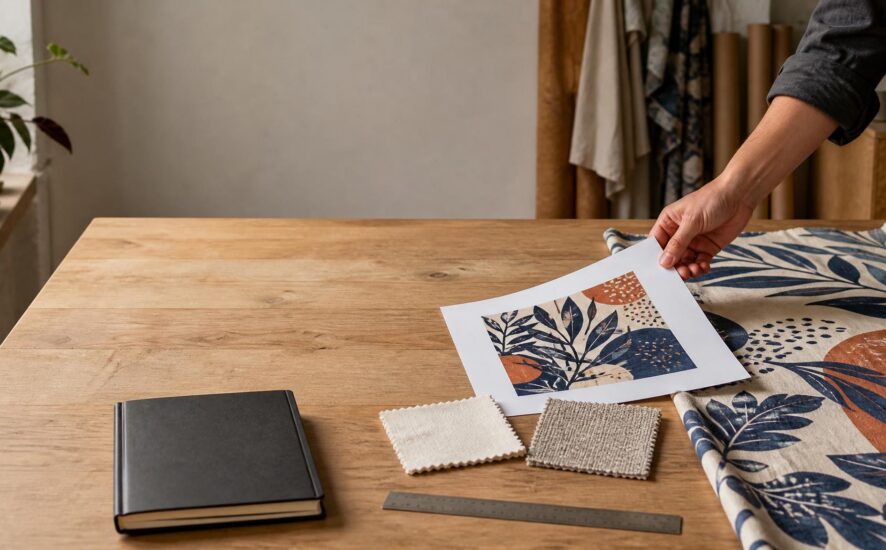
When it comes to creating personalised products, getting the details right is essential. Whether you’re designing a unique fashion item or custom homeware, ensuring that your images meet the specifications for print quality, optimal pattern scale, placement, and fabric choice is crucial. In this guide, we’ll walk you through how to check these aspects before submitting your custom print, particularly if you’re looking to expand your inventory with high-quality products from Contrado, a leader in print-on-demand solutions.
Understanding Image Resolution
The first step in ensuring your print is of high quality is to check the image resolution. In the realm of printing, resolution translates to the number of pixels in an image. Higher resolution means clearer, sharper images. Here’s how to confirm that your images have sufficient resolution:
- Recommended DPI (Dots Per Inch): For print, a minimum of 300 DPI is recommended. This provides a crisp image with no pixelation.
- Check the Dimensions: Ideally, you want your image to be at least as large as the area it will cover on the product. This prevents stretching and distortion.
- Use Editing Software: Programs like Adobe Photoshop or GIMP allow you to check and edit the resolution settings of your image easily.
Pattern Scale and Placement
The scale of repeating patterns and the placement of design elements can greatly affect the overall look of your product. Here’s how to manage these factors:
- Pattern Size: Test how your pattern will look at different scales. Large patterns may look bold on larger items like blankets but can overwhelm smaller items like phone cases.
- Mock-Up Designs: Use mock-up images to visualise how your pattern will fit on the product. This is crucial for checking alignment and sizing.
- Placement Considerations: Think about where design elements will sit—will they be prominent or subtle? Ensure critical parts of your design don’t get cut off in seams or edges.
Choosing the Right Fabric
Fabric choice is vital for both aesthetics and functionality. Different materials can affect the appearance of your print. Consider the following when selecting fabric:
- Material Properties: Understand how your design will react on various fabrics. Some materials absorb ink differently, resulting in variations in colour and texture.
- Print Compatibility: Certain inks work better with specific fabric types. For example, natural fibres like cotton can result in vibrant prints while synthetic materials may yield a different finish.
- Feel and Durability: Consider how the fabric feels and how it will hold up over time. This is especially important for products that will be used frequently.
Confirming with a Sample
Once you’ve finalised your design, it’s prudent to order a sample of your product. This step allows you to:
- Check the actual print quality and fabric feel.
- Evaluate the colour fidelity compared to your digital designs.
- Ensure the pattern scale and placement are as expected.
However, it’s vital to note that results may vary across different fabric choices. Thus, avoid expecting identical results across all materials; variations can be due to the inherent qualities of the fabrics themselves.
Best Practices for Submission
Before finalising your order, here are some best practices to keep in mind:
- Review Design Guidelines: Each printing service, including Contrado, will have specific design guidelines. Familiarise yourself with these to ensure compliance.
- Proof Your Work: Double-check all elements of your design, including spelling and proportions.
- Use Feedback: If available, get feedback from peers or colleagues to catch any potential issues you may have overlooked.
Conclusion
Checking your image resolution, pattern scale, placement, and fabric choice are integral steps in the custom print process. By following this guide, you can ensure a quality final product that meets your expectations. Remember, ordering a sample is a critical step to confirm that your designs will translate well into the real world, considering that different materials may affect your final result.
Ready to create your custom products? Get started with Contrado today and enjoy 10% off your first order!